The Hidden Dangers of Mold Growth in Long Island Basements and Crawl Spaces
March 30, 2026
Mold growth is one of the most overlooked yet serious issues affecting homes and commercial properties across Long Island, especially in basements and crawl spaces. These areas are naturally prone to moisture, poor ventilation, and limited sunlight, making them the perfect breeding ground for mold colonies. 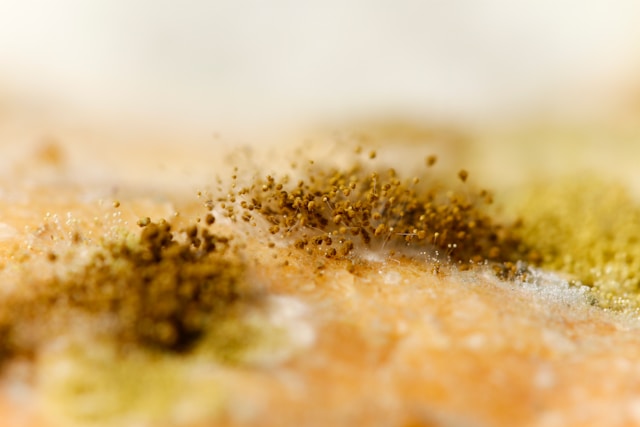 For property owners in Ronkonkoma and surrounding Long Island communities, understanding the risks of mold growth is critical. Left untreated, mold can compromise structural integrity, degrade indoor air quality, and pose significant health risks. This article explores the hidden dangers of mold, why basements and crawl spaces are especially vulnerable, and how professional mold removal services can protect your property. Why Basements and Crawl Spaces Are Mold HotspotsBasements and crawl spaces create ideal conditions for mold growth due to a combination of environmental factors: 1. Excess MoistureLong Island’s humid climate, combined with groundwater seepage and occasional flooding, leads to persistent dampness in lower levels of buildings. 2. Poor VentilationCrawl spaces often lack proper airflow, allowing moisture to linger and create a stagnant environment where mold thrives. 3. Organic MaterialsWood framing, insulation, and stored items provide a food source for mold spores. 4. Limited SunlightSunlight naturally inhibits mold growth, but basements and crawl spaces rarely receive enough exposure to make a difference. These conditions allow mold to grow quickly—often within 24 to 48 hours after moisture exposure. Common Types of Mold Found in Long Island HomesNot all mold is the same. Some types are relatively harmless, while others can pose serious health risks.
Identifying the type of mold requires professional mold testing, which helps determine the appropriate remediation strategy. The Hidden Health Risks of Mold ExposureMold doesn’t just damage your home—it can also affect your health in ways that aren’t always immediately obvious. Short-Term Effects:
Long-Term Effects:
Children, elderly individuals, and those with pre-existing conditions are particularly vulnerable to mold exposure. Structural Damage Caused by MoldBeyond health concerns, mold can silently weaken your property over time. Areas Most Affected:
As mold feeds on organic materials, it gradually breaks them down, leading to rot and structural instability. In severe cases, this can result in costly repairs or even unsafe living conditions. Signs of Mold in Basements and Crawl SpacesMold is often hidden, but there are warning signs you should never ignore:
If you notice any of these signs, it’s important to act quickly before the problem escalates. Mold Growth Risk Factors in Long Island PropertiesSeveral local factors make Long Island homes particularly susceptible to mold issues:
Understanding these risks helps property owners take preventative measures. Mold vs. Mildew: What’s the Difference?Many homeowners confuse mold with mildew, but they are not the same.
This distinction is important because mold typically requires professional removal, while mildew can often be managed with basic cleaning. Why DIY Mold Removal Is RiskyAttempting to remove mold yourself may seem cost-effective, but it often leads to bigger problems. Common DIY Mistakes:
Without proper containment and equipment, DIY efforts can worsen contamination and increase exposure risks. The Professional Mold Removal ProcessHiring an experienced mold removal company ensures the problem is handled safely and effectively. Step-by-Step Process:
Professional services provide thorough, long-term solutions—not just temporary fixes. The Importance of Air Duct CleaningMold doesn’t stay confined to one area. It can spread through your HVAC system, affecting the entire building. Benefits of Air Duct Cleaning:
Combining mold removal with air duct cleaning ensures a healthier indoor environment. Preventing Mold Growth in Basements and Crawl SpacesPrevention is always more cost-effective than remediation. Here are key steps to protect your property: Moisture Control:
Ventilation Improvements:
Regular Inspections:
Waterproofing Solutions:
Taking these proactive measures can significantly reduce the risk of mold growth. Residential vs. Commercial Mold ChallengesBoth residential and commercial properties face mold issues, but the scale and complexity differ. Residential Properties:
Commercial Properties:
Professional mold removal companies are equipped to handle both scenarios efficiently. Why Experience Matters in Mold RemovalChoosing a reputable company with years of experience is essential. Experienced professionals:
An experienced team can handle everything from minor mold issues to severe infestations in both homes and commercial buildings. Final ThoughtsMold growth in basements and crawl spaces is more than just a nuisance—it’s a serious issue that can impact your health, property value, and overall safety. In Long Island, where humidity and moisture are common, staying vigilant is key. By recognizing early warning signs, understanding the risks, and relying on professional mold removal services, you can protect your property and ensure a safe living or working environment. If you suspect mold in your basement or crawl space, taking immediate action is the best decision you can make. The longer mold is left untreated, the more dangerous—and expensive—the problem becomes. |
|