Hidden Mold in Your Home: Warning Signs, Health Risks, and Fast Removal Solutions
April 27, 2026
Mold is one of the most overlooked threats in residential and commercial properties. It often grows silently behind walls, under flooring, or inside ventilation systems, spreading rapidly while remaining largely undetected. By the time visible signs appear, the problem may already be severe. For homeowners and business owners in Long Island, understanding how mold develops, recognizing early warning signs, and acting quickly with professional solutions is essential to protecting both property and health. 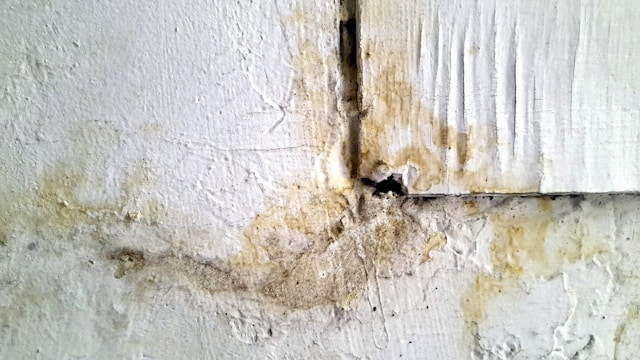 What Is Mold and Why Does It Grow Indoors?Mold is a type of fungus that thrives in damp, humid environments. It reproduces through microscopic spores that travel through the air and settle on moist surfaces. When conditions are right—especially after water damage, leaks, or high humidity—mold can begin growing within 24 to 48 hours. Common indoor triggers include:
Once mold establishes itself, it can spread quickly across drywall, wood, carpet, and even insulation. Warning Signs of Hidden MoldMold is not always visible, which makes it particularly dangerous. However, there are several key indicators that suggest mold may be present in your home or building. 1. Persistent Musty OdorA strong, earthy smell is often the first sign of hidden mold. Even if you cannot see mold, this odor typically indicates microbial growth behind surfaces. 2. Unexplained Health SymptomsIf occupants experience frequent headaches, sneezing, coughing, or respiratory irritation—especially indoors—mold could be affecting air quality. 3. Water Stains or DiscolorationBrown, yellow, or dark patches on ceilings or walls often signal past or ongoing moisture issues, which create ideal conditions for mold growth. 4. Peeling Paint or Warped SurfacesExcess moisture can cause paint to bubble and materials to warp, suggesting that mold may be growing beneath the surface. 5. Increased Humidity LevelsCondensation on windows or a consistently damp feeling indoors may indicate high humidity, which supports mold growth. 6. HVAC or Air Duct IssuesIf mold is present in air ducts, it can spread spores throughout the entire building, often accompanied by worsening indoor air quality. Health Risks Associated with Mold ExposureMold exposure is more than just an inconvenience—it can lead to serious health concerns, particularly for vulnerable individuals such as children, the elderly, and those with respiratory conditions. Short-Term Effects
Long-Term Effects
The severity of symptoms often depends on the extent of exposure and the individual’s sensitivity. However, prolonged exposure to mold should never be ignored. How Mold Spreads Quickly After Water DamageWater damage is one of the primary causes of mold infestations. Whether from a burst pipe, roof leak, or flooding event, moisture creates the perfect breeding ground for mold spores. Here’s how quickly mold can develop:
This rapid growth highlights the importance of immediate action. Delaying cleanup or ignoring moisture problems can significantly increase remediation costs and health risks. Mold Testing: Why It MattersMany homeowners attempt to identify mold visually, but this approach is often insufficient. Mold testing provides a scientific assessment of indoor air quality and identifies the type and concentration of mold present. Benefits of Professional Mold Testing
Testing is especially important when:
Fast and Effective Mold Removal SolutionsWhen mold is discovered, quick and professional remediation is critical. DIY solutions may seem appealing, but they often fail to address the root cause and can even worsen the problem by spreading spores. Professional Mold Remediation Process
Why Professional Help Is Essential
The Role of Air Duct Cleaning in Mold PreventionAir ducts can become a hidden pathway for mold spores, distributing them throughout your home or business. If mold develops within the HVAC system, it can significantly impact indoor air quality. Benefits of Air Duct Cleaning
Regular maintenance of HVAC systems is an important step in preventing mold recurrence. Preventing Mold Growth in Your PropertyPrevention is always more cost-effective than remediation. By controlling moisture and maintaining your property, you can significantly reduce the risk of mold growth. Key Prevention Strategies
Maintaining indoor humidity levels below 60% is especially important for mold prevention. Residential vs. Commercial Mold ChallengesMold issues can affect both homes and businesses, but the scale and impact often differ. Residential Properties
Commercial Properties
In both cases, timely professional intervention is critical to minimizing damage and ensuring safety. Why You Should Never Ignore MoldIgnoring mold can lead to escalating problems, including structural damage and serious health consequences. What starts as a small issue can quickly turn into a costly and hazardous situation. Delaying action may result in:
Addressing mold early is the most effective way to protect your investment and well-being. Final ThoughtsHidden mold is a silent but serious threat that requires immediate attention. From subtle warning signs like musty odors to more obvious indicators such as water damage, recognizing the problem early can save time, money, and health complications. For property owners in Long Island, professional mold removal, testing, and air duct cleaning services provide a reliable solution to eliminate mold and prevent future growth. Acting quickly, relying on certified experts, and maintaining a proactive approach to moisture control are the keys to keeping your home or business safe, clean, and healthy. If you suspect mold in your property, don’t wait—early detection and fast remediation make all the difference. |
|