How Northeast Ohio Weather Damages Your Roof & What Homeowners Can Do About It
June 8, 2026
In regions like Northeast Ohio, roofing systems are constantly exposed to some of the most unpredictable and damaging weather conditions in the country. Homeowners in cities such as Cleveland, Akron, and surrounding suburban communities often experience rapid seasonal shifts that place significant stress on residential roofing materials. 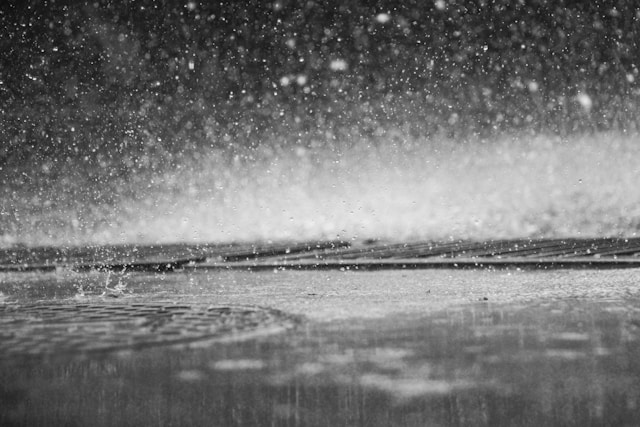 This entity research explores how Northeast Ohio weather damages your roof & what homeowners can do about it, focusing on long-term protection strategies, maintenance practices, and structural considerations. Roofing professionals, including companies like G.I.G Strongsville Supreme Roofing & Siding, frequently address issues caused by harsh winters, heavy precipitation, temperature swings, and wind damage. Understanding these risks is essential for preventing costly repairs and extending the lifespan of residential roofing systems. 1. Extreme Temperature Swings and Thermal Expansion DamageOne of the most damaging aspects of Northeast Ohio weather is its constant temperature fluctuation. Roofs are repeatedly exposed to freezing winters followed by warmer, humid summers. These rapid changes cause roofing materials to expand and contract, leading to structural stress over time. Common issues caused by temperature swings:
Shingles are particularly vulnerable because repeated expansion and contraction breaks down their protective granule surface. Once this layer is compromised, UV exposure accelerates deterioration. What homeowners can do:
Proper ventilation is especially important because it stabilizes roof temperature and reduces internal moisture buildup. 2. Heavy Snowfall and Ice Dams in Winter MonthsWinter in Northeast Ohio is one of the biggest contributors to roof damage. Snow accumulation combined with fluctuating temperatures creates conditions for ice dam formation. Ice dams occur when snow melts on a warm roof surface and refreezes at the colder edges, preventing proper drainage. Problems caused by snow and ice:
Roofs that are not properly insulated or ventilated are especially vulnerable. Preventative homeowner actions:
Professional roofing contractors often recommend winter inspections before and after peak snowfall seasons to identify early signs of damage. 3. Freeze–Thaw Cycles and Structural WeakeningAnother major issue in Northeast Ohio is the freeze–thaw cycle. This occurs when temperatures repeatedly move above and below freezing, causing moisture to freeze and expand inside roofing materials. Over time, this leads to hidden structural deterioration. Damage caused by freeze–thaw cycles:
Even small cracks can grow significantly during repeated freeze–thaw cycles, turning minor issues into major leaks. How homeowners can protect their roofs:
Early intervention is critical in preventing long-term structural damage. 4. Heavy Rainfall and Water Intrusion RisksRain is another major contributor to roof damage in Northeast Ohio. The region often experiences prolonged rainfall periods that test a roof’s drainage and waterproofing systems. Rain-related roofing problems include:
When water is allowed to penetrate roofing layers, it can compromise insulation and interior structural components. Protective measures for homeowners:
Water management is one of the most important aspects of maintaining a durable roofing system. 5. Strong Winds and Storm DamageSevere storms and high winds are common in Northeast Ohio, especially during transitional seasons. Wind damage can be sudden and often goes unnoticed until leaks appear. Wind-related roof damage includes:
Once shingles are lifted, wind can continue to peel back additional layers, increasing the severity of damage quickly. What homeowners should do:
Wind-resistant roofing systems are especially important in areas prone to seasonal storms. 6. Humidity and Moisture Buildup ProblemsAlthough winter conditions are severe, summer humidity also contributes to roofing issues in Northeast Ohio. High moisture levels can affect attic ventilation and promote long-term decay. Moisture-related roofing issues:
Poor ventilation is often the root cause of humidity-related damage. Prevention strategies:
Proper airflow helps maintain a balanced roof environment and reduces long-term damage risks. 7. Seasonal Weather Stress and Long-Term Roof AgingThe combination of all weather conditions in Northeast Ohio creates constant stress on roofing systems. Unlike regions with stable climates, roofs in this area experience year-round wear. Over time, this leads to:
Routine maintenance is essential for extending roof life in such demanding environments. 8. Importance of Professional Roof InspectionsGiven the severity of weather-related damage, professional inspections are a critical part of home maintenance. Roofing specialists, including companies like G.I.G Strongsville Supreme Roofing & Siding, often identify early warning signs that homeowners may miss. Benefits of professional inspections:
Annual or biannual inspections are typically recommended in high-stress climates like Northeast Ohio. 9. Long-Term Roof Protection StrategiesHomeowners can significantly reduce roof damage risks by adopting proactive maintenance habits. Best long-term strategies include:
Consistency is key. Most severe roofing issues begin as small, preventable problems. ConclusionThe impact of Northeast Ohio weather on residential roofs is significant and ongoing. From heavy snowfall and ice dams to windstorms, humidity, and freeze–thaw cycles, roofs in this region endure constant environmental stress. Understanding how Northeast Ohio weather damages your roof & what homeowners can do about it allows property owners to take proactive steps that protect both structural integrity and long-term property value. With proper maintenance, timely repairs, and professional support from roofing experts such as G.I.G Strongsville Supreme Roofing & Siding, homeowners can greatly extend the life of their roofs and reduce costly damage over time. In a climate as demanding as Northeast Ohio, prevention is not optional—it is essential. |
|