Why Mold Testing Is Essential for Long Island Homes After Water Damage
July 6, 2026
Water damage is one of the most common and most underestimated threats to residential properties in Long Island, New York. Whether caused by heavy coastal storms, flooding, burst pipes, roof leaks, or appliance failures, water intrusion can quickly lead to one of the most serious secondary problems a homeowner can face: hidden mold growth. While many homeowners focus on drying visible water and repairing structural damage, they often overlook what begins forming behind walls, under flooring, and inside HVAC systems within just 24 to 48 hours, mold colonies that can spread silently and aggressively. 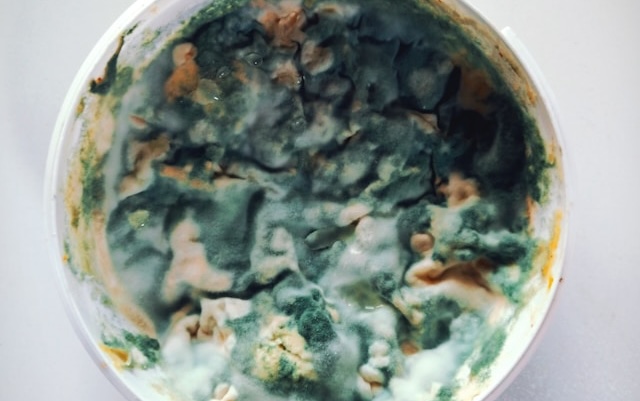 This is why mold testing after water damage is not just a precautionary step but a critical part of protecting both property value and indoor air quality. In coastal regions like Long Island, where humidity levels are naturally higher and storm exposure is frequent, the risk of mold contamination is significantly elevated compared to inland areas. Understanding Why Long Island Homes Are Especially VulnerableLong Island’s geographic location makes it uniquely susceptible to moisture-related problems. Surrounded by the Atlantic Ocean and Long Island Sound, the region experiences fluctuating humidity levels, seasonal storms, and occasional flooding events. These environmental conditions create an ideal breeding ground for mold spores, especially when combined with residential water damage incidents. Even a minor leak can escalate quickly in this environment. Once moisture penetrates drywall, insulation, or wooden framing, it becomes trapped—creating the perfect dark, damp, and poorly ventilated conditions mold needs to thrive. Unlike surface-level water that can be wiped away, trapped moisture often remains undetected without professional inspection tools. This is why mold testing becomes essential: it identifies contamination that homeowners cannot see, smell, or measure on their own. What Happens After Water Damage: The Mold Growth TimelineOne of the most dangerous misconceptions homeowners have is assuming they have “enough time” to address water damage before mold becomes a problem. In reality, mold can begin forming extremely quickly.
In many Long Island homes, especially older structures or homes with basements, moisture often goes unnoticed in hidden areas. This delay gives mold the opportunity to spread far beyond the initial water damage site. Why Mold Testing Is More Important Than Visual InspectionMany homeowners assume that if they cannot see mold, it is not present. Unfortunately, this is rarely true. Mold often develops in hidden areas such as:
By the time visible signs appear, the infestation is often already widespread. Mold testing provides a scientific assessment of indoor air quality and surface contamination. It can detect:
This information is essential for determining whether remediation is needed and how extensive it should be. Health Risks Linked to Mold ExposureOne of the primary reasons mold testing is so important after water damage is the potential impact on human health. Mold exposure affects individuals differently, but common symptoms include:
Certain groups are especially vulnerable, including children, elderly individuals, and those with pre-existing respiratory conditions. In homes where mold grows undetected, prolonged exposure can lead to persistent health issues that are often misdiagnosed as allergies or seasonal illness. Because mold spores are airborne, contamination is not limited to the affected room. It can circulate through HVAC systems and spread throughout the entire home. The Role of Professional Mold Testing After Water DamageAfter water damage occurs, professional mold testing serves as a diagnostic step that determines the severity of contamination and guides next steps. Unlike DIY kits, professional assessments use calibrated equipment and laboratory analysis to ensure accuracy. A typical mold testing process may include:
This data helps homeowners understand whether mold remediation is necessary and how urgent the situation is. Without this step, homeowners risk either underestimating the problem—or overpaying for unnecessary remediation. Why Timing Matters After Water DamageIn Long Island’s humid climate, delaying mold testing after water damage can significantly increase both health risks and repair costs. Moisture that remains untreated for even a short period can penetrate deep into structural materials, making remediation more complex and expensive. Early testing allows homeowners to:
Timing is especially important in basements and crawl spaces, which are common in Long Island homes and are particularly prone to moisture accumulation. When Homeowners Should Immediately Request Mold TestingMold testing should be considered as soon as any of the following situations occur:
Even if drying efforts are successful, moisture can remain trapped in building materials. Mold testing confirms whether hidden contamination is present. Long Island Building Structures and Hidden Moisture RisksMany homes in Long Island were built decades ago, meaning they may not have modern moisture barriers or ventilation systems. Older insulation materials and wood framing are particularly susceptible to retaining water after leaks or flooding. Additionally, coastal air increases ambient humidity, which slows the drying process. This creates extended moisture exposure periods that significantly increase mold risk even after visible water is removed. Homes with finished basements are especially vulnerable because water intrusion often goes unnoticed behind finished walls or under flooring. How Professional Expertise Helps Protect HomesIn situations involving water damage and potential mold growth, professional evaluation ensures that problems are identified accurately and addressed effectively. Companies specializing in environmental assessment and remediation, such as My Long Island Mold Removal, play an important role in helping homeowners understand the full scope of contamination after water-related incidents. Their work typically focuses on identifying hidden mold conditions and assessing indoor air quality, which are critical steps in preventing long-term structural and health issues. This type of professional insight is especially valuable in regions like Long Island, where environmental conditions can accelerate mold development. Preventing Future Mold Problems After Water DamageOnce a property has experienced water damage, prevention becomes just as important as cleanup. Homeowners can reduce future risks by:
However, prevention is only effective if existing contamination has been properly identified and resolved. This is why mold testing remains a foundational step after any water damage event. ConclusionMold growth after water damage is not always visible, but its effects can be long-lasting and severe. In Long Island homes, where humidity and weather conditions increase the likelihood of moisture retention, mold testing becomes an essential step in protecting both property and health. By identifying hidden contamination early, homeowners can avoid costly repairs, reduce health risks, and ensure their living environments remain safe. Professional assessment provides the clarity needed to make informed decisions and prevents minor water incidents from becoming major structural and environmental problems. Ultimately, mold testing is not just about detecting mold, it is about safeguarding the long-term integrity and livability of the home. |
|