Black Mold vs. Common Mold: Why Professional Testing in Long Island Matters
April 22, 2026
Mold growth in homes and commercial buildings is a widespread issue, especially in humid or moisture-prone regions like Long Island. While mold is often dismissed as a minor inconvenience, it can quickly become a serious health and structural concern if left untreated. This is why understanding “Black Mold vs. Common Mold: Why Professional Testing in Long Island Matters” is essential for property owners who want to maintain safe indoor environments. 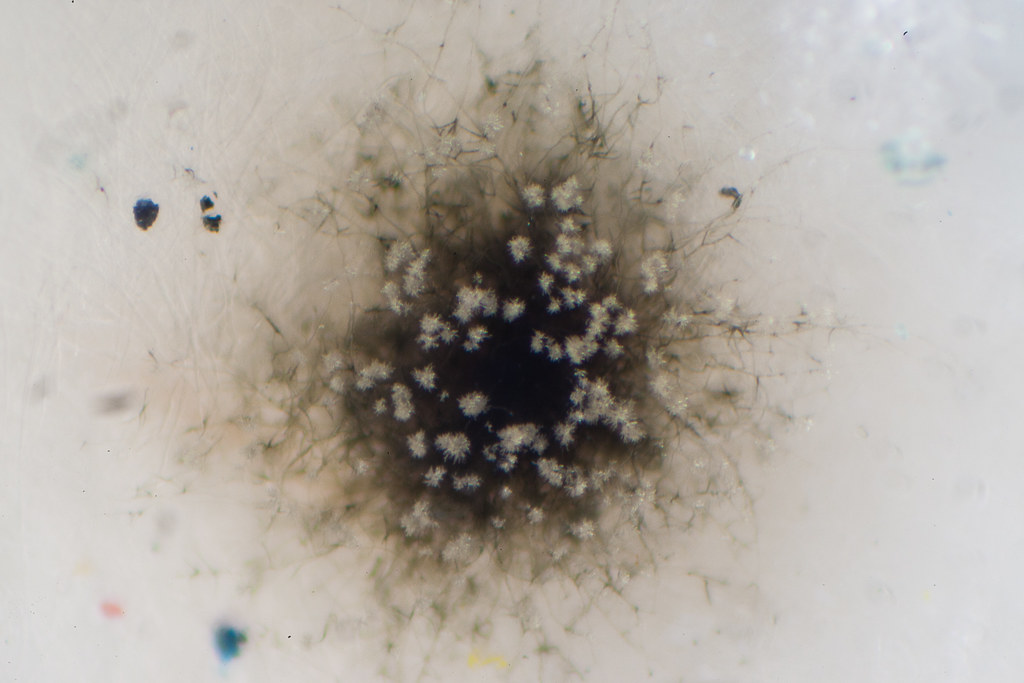 Not all mold is the same. Some types are relatively harmless and easy to manage, while others—particularly black mold—can pose significant health risks. The challenge for most property owners is that mold types are not always visually distinguishable, making professional testing a critical step in identifying the severity of contamination. Understanding Mold Growth in Indoor EnvironmentsMold is a type of fungus that thrives in damp, warm, and poorly ventilated environments. It spreads through microscopic spores that travel through the air and settle on surfaces where moisture is present. Common areas where mold develops include:
Once mold begins to grow, it can spread quickly if conditions remain favorable. This is why early detection is essential in preventing long-term damage. Black Mold vs. Common Mold: What’s the Difference?One of the most important distinctions in indoor air quality is between black mold and common mold. While both fall under the broader category of fungi, they differ in toxicity, appearance, and health impact. Common MoldCommon household molds include varieties such as Cladosporium, Penicillium, and Aspergillus. These molds:
While still a concern, common mold is generally less hazardous when addressed promptly. Black MoldBlack mold, often referred to as Stachybotrys chartarum, is more dangerous and requires immediate attention. It is known for:
Unlike typical household mold, black mold is associated with more severe health symptoms, especially in individuals with respiratory conditions or weakened immune systems. Comparison of Black Mold and Common MoldTo better understand the differences, here is a simple comparison:
This comparison highlights why accurate identification is critical. Misjudging mold type can lead to inadequate treatment and ongoing exposure risks. Why Mold Is a Serious Health ConcernMold exposure can affect individuals in different ways depending on the type, duration, and level of exposure. Even common mold can trigger symptoms in sensitive individuals, while black mold can lead to more serious health complications. Common health effects include:
More severe symptoms linked to prolonged exposure may include:
Because symptoms can overlap with other conditions, mold exposure is often overlooked until it becomes more severe. Why Mold Testing Is Essential in Long IslandLong Island’s climate, with its seasonal humidity and potential for water intrusion, makes mold growth a recurring issue for many properties. This is why professional mold testing is especially important in the region. Professional testing helps:
Without testing, property owners are often left guessing about the extent of the problem, which can lead to incomplete or ineffective treatment. The Importance of Professional Mold IdentificationOne of the biggest challenges with mold is that it is not always visible. Even when it is visible, it is difficult to determine whether it is black mold or a less harmful variety without proper testing. Professional mold inspection typically includes:
These methods allow specialists to build a complete picture of the indoor environment and identify risks that are not visible to the naked eye. Companies like My Long Island Mold Removal specialize in identifying and addressing these issues through structured testing and remediation processes. Common Causes of Mold GrowthUnderstanding what causes mold growth can help prevent future problems. Mold typically develops due to excess moisture, which may come from a variety of sources. Common causes include:
Even small, unnoticed leaks can lead to significant mold growth over time if not addressed promptly. Professional Mold Remediation vs. DIY CleaningWhile some minor mold issues can be cleaned using household products, more serious infestations require professional remediation. DIY cleaning may be suitable for:
Professional remediation is necessary when:
Professional services ensure that mold is not only removed but also prevented from returning. Steps in a Professional Mold Removal ProcessA structured remediation process ensures safe and complete mold removal. Typical steps include:
Each step is designed to eliminate mold at its source while preventing cross-contamination to other areas of the property. Preventing Mold Growth in the FuturePrevention is just as important as removal. Once mold is eliminated, maintaining a dry and well-ventilated environment is key to preventing recurrence. Preventive measures include:
Consistent maintenance reduces the likelihood of mold returning and helps maintain healthier indoor air quality. Why Early Detection Saves Time and MoneyDelaying mold detection or remediation can lead to more extensive damage over time. Mold can weaken building materials, spread rapidly, and increase repair costs significantly. Early detection helps:
This is why professional testing is considered a proactive investment rather than an optional service. ConclusionUnderstanding “Black Mold vs. Common Mold: Why Professional Testing in Long Island Matters” is essential for maintaining safe, healthy indoor environments. While common mold may cause mild discomfort, black mold poses more serious risks that require immediate professional attention. Because mold cannot always be accurately identified without testing, professional inspection and remediation are critical steps in protecting both residential and commercial properties. In regions like Long Island, where moisture-related issues are common, proactive mold management is key to ensuring long-term safety, structural integrity, and peace of mind. By relying on expert testing and remediation, property owners can address mold issues effectively, prevent recurrence, and maintain healthier indoor environments for years to come. |
|