Common Causes of Mold in Basements and Crawl Spaces in Long Island
March 20, 2026
Mold growth is one of the most common and potentially dangerous, problems facing homeowners across Long Island, New York. With the region’s coastal climate, high humidity levels, and frequent storms, basements and crawl spaces are especially vulnerable to moisture buildup and hidden mold infestations. 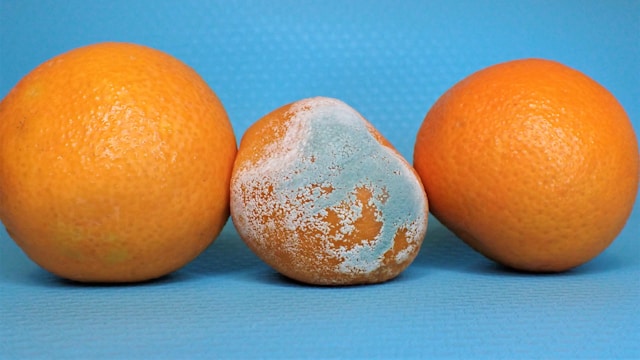 For homeowners in areas like Centereach and surrounding Long Island communities, understanding the root causes of mold is essential for protecting both property value and indoor air quality. Companies like My Long Island Mold Removal regularly deal with these issues, helping homeowners identify, remove, and prevent mold before it becomes a serious health and structural concern. In this guide, we’ll explore the most common causes of mold in basements and crawl spaces, why they occur, and how to effectively prevent and address them. Why Basements and Crawl Spaces Are High-Risk AreasBasements and crawl spaces naturally create the perfect environment for mold growth due to three key factors:
Mold thrives in damp, dark environments—making these areas particularly susceptible if moisture is not properly controlled. 1. Excess Moisture and HumidityThe number one cause of mold is moisture. Long Island’s humid climate—especially during spring and summer—creates ideal conditions for mold spores to grow. Common Sources:
Why It Matters:Even a small increase in humidity can trigger mold growth within 24–48 hours. Prevention:Using dehumidifiers and improving airflow can significantly reduce moisture levels. 2. Water Intrusion from Heavy RainLong Island experiences frequent storms and heavy rainfall, which can lead to water entering basements and crawl spaces. Entry Points:
Impact:Standing water or damp materials create an immediate risk for mold growth. Solution:Waterproofing the foundation and sealing entry points are critical steps in prevention. 3. Poor Drainage Around the FoundationImproper grading or clogged drainage systems can direct water toward your home instead of away from it. Signs:
Fix:Ensure proper grading and maintain gutters and downspouts to direct water away from the structure. 4. Plumbing LeaksHidden plumbing leaks are a major contributor to mold problems. Common Leak Areas:
Risks:Even slow leaks can create long-term moisture buildup that leads to mold colonies. Solution:Regular inspections and prompt repairs are essential. 5. Poor VentilationBasements and crawl spaces often lack proper ventilation, allowing moisture to accumulate. Effects:
Fix:Installing vents or mechanical ventilation systems can improve airflow and reduce moisture levels. 6. Flooding and Water DamageFlooding—whether from storms, burst pipes, or sump pump failure—creates immediate conditions for mold growth. Key Concern:Mold can begin growing within 24–48 hours after water exposure. Solution:Fast water damage restoration and thorough drying are critical to preventing mold. 7. Damp or Wet InsulationInsulation in basements and crawl spaces can absorb moisture, especially if exposed to leaks or humidity. Problem:Wet insulation becomes a breeding ground for mold and loses its effectiveness. Fix:Replace water-damaged insulation and address the moisture source. 8. HVAC and Air Duct IssuesAir ducts running through basements and crawl spaces can accumulate moisture and spread mold spores throughout the home. Causes:
Impact:Mold spores can circulate into living areas, affecting indoor air quality. Solution:Regular air duct cleaning and maintenance help prevent contamination. 9. Organic Materials and DebrisMold feeds on organic materials such as wood, cardboard, and dust. Common Problem Areas:
Risk:When combined with moisture, these materials accelerate mold growth. Prevention:Keep areas clean, dry, and free of unnecessary clutter. 10. Poor Vapor Barriers in Crawl SpacesCrawl spaces without proper vapor barriers allow moisture from the ground to rise into the space. Signs:
Fix:Installing a vapor barrier helps block moisture and protect the structure. Summary of Common Mold Causes and Solutions
Health Risks Associated with Mold ExposureMold is not just a structural issue—it can also pose serious health risks, especially for:
Common Symptoms:
Prolonged exposure to mold can worsen these symptoms and lead to more severe health concerns. The Importance of Professional Mold TestingMany mold problems are hidden behind walls, under flooring, or in hard-to-reach areas. Professional mold testing helps:
Accurate testing ensures the right remediation strategy is used. Mold Removal vs. Mold RemediationIt’s important to understand the difference:
Professional services focus on remediation to ensure long-term results. Preventative Measures for Long Island HomeownersPreventing mold is far more cost-effective than removing it. Key steps include:
Proactive maintenance can significantly reduce the risk of mold growth. When to Call a ProfessionalYou should contact a mold specialist if:
Professional expertise ensures safe and thorough removal. Why Local Expertise MattersLong Island’s unique climate and housing structures require specialized knowledge. A local company like My Long Island Mold Removal understands:
This expertise allows for faster, more effective solutions tailored to your home. Final ThoughtsMold in basements and crawl spaces is a common issue for Long Island homeowners—but it doesn’t have to become a serious problem. By understanding the root causes, recognizing early warning signs, and taking preventative action, you can protect your home and your health. From excess humidity to water intrusion and poor ventilation, each cause of mold can be addressed with the right strategy. Regular maintenance, timely repairs, and professional inspections play a crucial role in keeping your home safe and mold-free. If you suspect mold in your home, acting quickly is essential. Early detection and proper remediation not only save money but also ensure a healthier living environment for you and your family. |
|