Air Duct Cleaning and Mold Prevention: What Every Long Island Homeowner Should Know
June 29, 2026
Indoor air quality is one of the most overlooked aspects of home health, yet it plays a major role in comfort, respiratory wellness, and long-term property maintenance. In coastal and humid regions like Long Island, New York, moisture and airborne contaminants can easily accumulate inside residential HVAC systems. Over time, this creates conditions where mold spores, dust, allergens, and bacteria can thrive inside air ducts and circulate throughout the home. 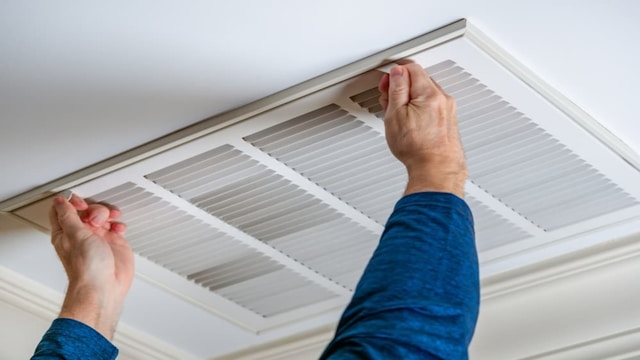 For homeowners, understanding the connection between air duct cleanliness and mold prevention is essential. It is not just about cleaner air, it is about protecting the structure of the home and the health of the people living inside it. Why Air Quality Issues Are Common in Long Island HomesLong Island experiences a mix of seasonal humidity, coastal moisture, and temperature fluctuations. These environmental factors create ideal conditions for moisture buildup inside homes, especially in hidden areas like HVAC systems, basements, crawl spaces, and attics. When warm, moist air enters a cooler duct system, condensation can form. Over time, this moisture combines with dust and organic particles inside the ductwork, creating a breeding ground for mold. Once mold spores begin to grow, they can spread quickly through the ventilation system, affecting multiple rooms in the home without being immediately visible. Homes that are tightly sealed for energy efficiency can sometimes worsen the problem. While insulation and sealing help reduce energy costs, they also limit natural airflow, trapping humidity indoors. Without proper ventilation maintenance, this trapped moisture becomes a long-term risk factor for mold growth. How Mold Develops Inside Air Duct SystemsMold requires three basic conditions to grow: moisture, organic material, and a stable temperature. HVAC systems often unintentionally provide all three. Inside air ducts, dust accumulates over time. This dust contains organic particles such as skin cells, fabric fibers, and pollen. When moisture enters the system—whether from humidity, leaks, or condensation—it activates dormant mold spores already present in the air. Once mold begins growing inside ductwork, it can spread through airflow every time the HVAC system runs. This means that even small patches of mold inside ducts can affect the entire household environment. Common warning signs of mold in air ducts include:
Because air ducts are hidden, mold issues often go unnoticed until symptoms become more noticeable or health effects begin to appear. The Health Risks Linked to Mold ExposureMold exposure can affect individuals differently depending on their sensitivity, age, and overall health. However, prolonged exposure in an enclosed indoor environment can lead to a range of health concerns. Common health effects include:
For individuals with compromised immune systems, elderly residents, or young children, the risks can be more severe. Continuous exposure to airborne mold spores may aggravate respiratory conditions and contribute to chronic discomfort. This is why addressing mold at its source often within the HVAC system is more effective than simply treating symptoms or cleaning visible surfaces. The Role of Air Duct Cleaning in Mold PreventionAir duct cleaning plays a preventive role rather than just a corrective one. The goal is not only to remove existing contaminants but also to eliminate the conditions that allow mold to grow in the first place. When ductwork is cleaned properly, accumulated dust, debris, and organic matter are removed from the system. This reduces the available “fuel” that mold spores need to grow. Additionally, professional inspection during cleaning can help identify moisture issues, leaks, or insulation problems that contribute to mold development. However, air duct cleaning alone is not a permanent solution if underlying moisture problems remain unaddressed. It must be part of a broader indoor air quality strategy that includes humidity control, proper ventilation, and regular HVAC maintenance. In many Long Island homes, seasonal inspections are especially important due to fluctuating humidity levels between summer and winter. Why Moisture Control Matters More Than Cleaning AloneWhile cleaning removes contaminants, moisture control prevents them from returning. Without controlling humidity, mold spores can re-establish themselves even after a thorough cleaning. Key moisture control strategies include:
In coastal regions like Long Island, where humidity levels can rise significantly during warmer months, dehumidification becomes especially important. Even well-maintained homes can experience hidden moisture buildup in ductwork if humidity is not properly managed. Warning Signs Homeowners Should Never IgnoreMold problems inside air ducts often start subtly. Recognizing early warning signs can prevent more serious contamination and costly repairs later. Homeowners should be alert to:
If any of these signs appear consistently, it may indicate that mold is developing within the ventilation system rather than on visible surfaces alone. The Importance of Professional InspectionBecause air ducts are hidden and difficult to access, proper diagnosis usually requires professional evaluation. HVAC specialists use specialized tools such as cameras, moisture meters, and airflow testing equipment to identify contamination inside ductwork. A professional inspection can determine:
Attempting to inspect or clean ductwork without proper tools can lead to incomplete results or accidental spread of contaminants. Local Perspective: Indoor Air Challenges in Long IslandLong Island’s geography contributes to unique indoor air challenges. The proximity to the Atlantic Ocean increases ambient humidity levels, especially during summer months. At the same time, older housing stock in some areas may have aging HVAC systems that are more prone to leaks, dust buildup, and inefficient airflow. This combination makes regular maintenance particularly important for homeowners in the region. Even newly constructed homes are not immune, as tightly sealed energy-efficient designs can trap moisture if ventilation is not properly balanced. Professional indoor air quality management is therefore not just a luxury, it is a practical necessity in maintaining a healthy living environment. When Homeowners Should Seek Expert HelpWhile basic maintenance such as changing air filters can be done by homeowners, more serious issues require professional attention. If mold is suspected within ductwork or HVAC systems, it is important to act quickly to prevent further spread. Situations that require expert evaluation include:
In such cases, professional services focused on indoor air quality and remediation become essential to restoring a safe environment. One example of a local provider addressing these concerns is My Long Island Mold Removal, which operates in the Long Island area and focuses on identifying and resolving mold-related indoor air issues. Building a Long-Term Mold Prevention StrategyPreventing mold is not a one-time task but an ongoing maintenance process. Homeowners who adopt a proactive approach to HVAC care and moisture control can significantly reduce the risk of mold growth. A strong long-term strategy includes:
When these practices are combined, they create an indoor environment that is far less hospitable to mold growth and airborne contaminants. Final ThoughtsAir duct cleaning and mold prevention are closely connected aspects of maintaining a healthy home environment, especially in humid regions like Long Island. While mold can develop silently within HVAC systems, its effects on air quality and health can be significant if left unaddressed. Understanding the conditions that lead to mold growth—and taking proactive steps to manage moisture, airflow, and cleanliness, helps homeowners protect both their property and their well-being. With proper maintenance and timely professional support, indoor air quality can remain safe, clean, and stable year-round. |
|