Mold Remediation Long Island: How to Eliminate Mold Safely and Permanently
October 27, 2025
A comprehensive mold remediation outline serves as your roadmap through the complex process of addressing fungal contamination on Long Island. Your certified mold removal NY provider will follow strict protocols: initial assessment, containment setup, removal of affected materials, professional cleaning, and post-remediation clearance Long Island verification. This systematic approach guarantees you’ll achieve complete elimination while maintaining regulatory compliance. 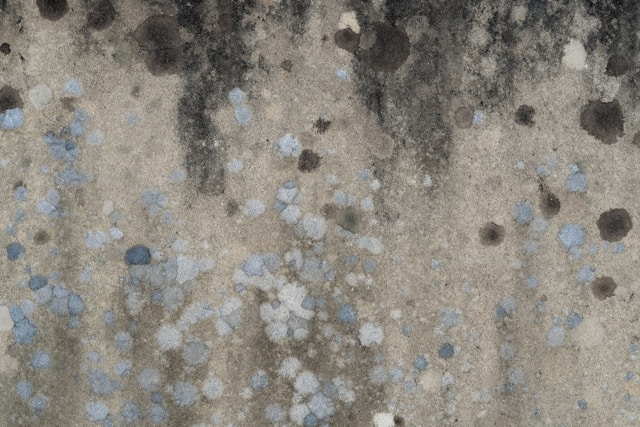 IntroductionYour Long Island home faces unique mold risks due to the region’s coastal humidity, frequent storms, and aging housing infrastructure. Understanding proper mold remediation is essential for protecting your property value and your family’s health, especially given New York State’s strict regulatory requirements for professional mold removal. This guide will show you how to identify, address, and permanently eliminate mold issues through safe, legal, and scientifically proven methods that meet all local compliance standards. Why mold remediation matters for Long Island homeownersLiving in Long Island’s unique coastal environment creates perfect conditions for persistent mold growth, making proper remediation critical for protecting both your property value and family’s health. Under NYS mold remediation law, you’ll need licensed professionals for both mold inspection Long Island services and Long Island mold removal to address problems stemming from high humidity, flooding, and aging infrastructure in your home. Long Island’s unique challenges: humidity, storms, older homesLong Island’s coastal geography creates three distinct challenges that make mold growth particularly persistent throughout Nassau and Suffolk counties. You’ll face high year-round humidity levels, frequent coastal storms that cause water intrusion, and an aging housing stock built before modern moisture barriers. These conditions create perfect environments for black mold Long Island infestations, requiring EPA mold guidelines and independent mold assessor Long Island expertise for proper remediation. What readers will learn: safe, legal, and permanent mold eliminationIn this thorough guide, you’ll discover the exact steps for eliminating mold problems while meeting New York State’s strict regulatory requirements. Learn proven remediation techniques that guarantee lasting results for your Long Island property.
Understanding Mold & Why It GrowsMold consists of microscopic spores that develop into branching networks called hyphae when they find suitable conditions to grow, with common Long Island varieties including toxic black mold, aspergillus, and penicillium species. You’ll typically find these fungi thriving in environments with consistent moisture levels above 60% relative humidity, temperatures between 41-100°F, and organic materials like wood, drywall, or fabric to feed upon. While scrubbing or bleaching visible mold may seem sufficient, you must address the underlying moisture source and environmental conditions, or the mold will simply return and continue its lifecycle. What mold is: spores, hyphae, lifecycleNearly all mold problems you’ll encounter start with microscopic spores – tiny reproductive units that float through the air until they find suitable conditions to grow. Once settled, spores develop thread-like filaments called hyphae that form the visible mold colony you see on surfaces.
Common household molds: black mold, aspergillus, penicilliumThe most prevalent household molds you’ll encounter on Long Island fall into three main categories: Stachybotrys chartarum (black mold), Aspergillus, and Penicillium species. Black mold thrives in water-damaged areas, producing toxic compounds. Aspergillus commonly appears as gray-green patches in damp spaces, potentially triggering respiratory issues. Penicillium, recognizable by its blue-green color, often colonizes water-damaged materials and can release harmful mycotoxins. Conditions for mold growth: moisture, organic material, temperatureThree critical environmental conditions must align for mold to establish and thrive in your Long Island home: adequate moisture levels (typically above 60% relative humidity), the presence of organic materials that serve as food sources, and temperatures between 41-100 degrees Fahrenheit.
Why removal alone isn’t enough — moisture control is essentialSuccessful mold remediation can’t rely on surface cleanup alone – it’s a two-part challenge that demands both removal and moisture control. You’ll face recurring problems if you don’t address the underlying water sources. Even after thorough removal, mold spores will find ways to regenerate when moisture levels remain high. Bringing in leak detection experts helps identify hidden plumbing or structural issues that fuel mold growth, ensuring your remediation efforts deliver lasting results. Controlling humidity, fixing leaks, and improving ventilation are essential for preventing future growth. Health Risks & Structural ImpactYour home’s mold infestation presents serious health threats, from immediate allergic reactions and asthma attacks to long-term respiratory complications that particularly affect children, elderly residents, and immunocompromised individuals. Beyond health concerns, untreated mold actively deteriorates your property’s structural components, consuming organic materials like wooden supports, drywall, and insulation while simultaneously reducing your home’s market value. Quick intervention is essential, as mold colonies expand exponentially when left unchecked, leading to compounded health risks and increasingly costly structural damage. Symptoms: allergies, asthma, respiratory irritationWhile mold exposure affects individuals differently, the most common health impacts include allergic reactions, respiratory issues, and chronic irritation of the eyes, nose, and throat. If you’re experiencing ongoing symptoms in your Long Island home, watch for:
Long-term exposure effects and vulnerable populationsProlonged mold exposure can bring about severe health complications that go well beyond temporary allergic reactions. You’ll find that immune-compromised individuals, elderly residents, young children, and those with existing respiratory conditions face the highest risk. Long-term exposure may lead to chronic bronchitis, neurological issues, organ damage, and persistent inflammatory responses that can severely impact your quality of life. Damage to wood, drywall, insulation, and home valueMold growth throughout homes and buildings poses a severe threat to structural integrity and property values. The damage extends far beyond surface-level cosmetic issues, as mold can rapidly deteriorate building materials and decrease your property’s market worth by 20-30%.
Why immediate action is criticalThese devastating impacts on property make swift action non-negotiable, as every hour of delay compounds both health and structural risks. You’ll face accelerating damage as mold colonies expand exponentially, releasing more spores and mycotoxins into your living space. The longer you wait, the deeper mold penetrates building materials, leading to costlier repairs and potentially irreversible structural compromise that threatens your home’s integrity. Signs You Need RemediationYou’ll recognize several unmistakable warning signs that indicate professional mold remediation is necessary, including persistent musty odors, visible discoloration on surfaces, and structural changes like warped walls or peeling wallpaper. Recurring mold patches that return despite routine cleaning, especially in areas with previous water damage or high humidity, strongly suggest an underlying moisture problem requiring professional intervention. If you’re experiencing unexplained respiratory symptoms or notice poor indoor air quality, particularly in spaces with a history of flooding or leaks, these conditions warrant immediate assessment by a licensed Long Island remediation specialist. Musty smells, discoloration, warped wallsSeveral key warning signs indicate you’re dealing with a serious mold problem that requires professional remediation. Beyond visible growth, these critical indicators demand immediate attention:
Recurring mold patches after cleaningBeyond the visible warning signs, recurring mold patches after DIY cleaning represent one of the most telling indicators that you’re facing a serious underlying issue. When mold returns despite your cleaning efforts, it’s signaling a deeper moisture problem that must be professionally addressed. You’ll need expert remediation to identify and fix the root cause, whether it’s hidden leaks, inadequate ventilation, or structural dampness. History of leaks, floods, or high humidity areasA property’s history of water-related issues serves as a critical indicator that professional mold remediation may be necessary. Past moisture problems often create ideal conditions for mold growth, even if you can’t currently see visible signs.
Respiratory symptoms and indoor air concernsPersistent respiratory issues among occupants often signal the presence of hidden mold growth that requires professional remediation. If you’re experiencing unexplained coughing, wheezing, nasal congestion, or throat irritation while indoors, mold spores may be circulating through your air system. Watch for musty odors, increased allergy symptoms, and headaches that improve when you’re away from home. Legal & Regulatory Requirements in Long Island / NYNew York State’s Article 32 Mold Law strictly requires you to use separate licensed professionals for mold assessment and remediation, ensuring unbiased evaluation and proper cleanup protocols. You’ll need to verify that your remediation contractor maintains current NYS licensing, follows mandated personal protective equipment standards, and posts required work notices throughout the project area. If you bypass these regulations, you’re risking significant legal penalties and potentially compromising the health of building occupants through improper containment or incomplete remediation. NYS Article 32 Mold Law overviewStringent mold regulations under New York State’s Article 32 create a clear framework for how mold assessment and remediation must be performed on Long Island. You’ll need to comply with specific licensing and operational requirements to legally address mold issues.
Requirement for separate mold assessor and remediatorUnder New York State law, you can’t contract the same company to both assess and remediate your mold issue. You’ll need to collaborate with two distinct licensed professionals: a certified mold assessor to evaluate and develop a remediation strategy, and a certified mold remediation contractor to carry out the actual cleanup. This separation guarantees impartial evaluation and avoids conflicts of interest in the remediation process. Licensing, PPE, posted notices, work standardsSince operating in Long Island’s mold remediation industry requires strict compliance, you’ll need to make sure all workers maintain active Article 32 licensing through the New York State Department of Labor. Proper containment, protective equipment, and posted warning notices are mandatory requirements.
Risks of ignoring regulations: legal and health consequencesFailing to follow Long Island’s mold remediation regulations can result in severe consequences for both contractors and property owners. You’ll face hefty fines, potential lawsuits from tenants or buyers, and liability for health issues. Additionally, your insurance may deny claims related to improper remediation. Unlicensed work can lead to criminal charges, and you’ll likely need to pay for professional re-remediation to meet compliance standards. Inspection & Assessment ProcessProfessional mold inspection on Long Island begins with a licensed assessor conducting a detailed visual examination using advanced tools like moisture meters, infrared cameras, and borescopes to detect both visible and concealed growth. You’ll need thorough air and surface sampling for laboratory analysis to determine the types and concentrations of mold present in your property. Based on these findings, your independent assessor will develop a detailed Mold Remediation Plan (MRP) that outlines the scope of work, containment requirements, and specific removal methods needed for your situation. Visual inspection and hidden mold detectionBefore any remediation work begins, certified mold inspectors conduct a thorough visual assessment of your property, examining both obvious and non-obvious areas where mold growth might occur. They’ll use specialized equipment to detect moisture levels and hidden contamination behind walls and under surfaces.
Use of moisture meters, infrared cameras, borescopesModern mold inspection equipment allows technicians to detect problems long before they’re visible to the naked eye. Professional inspectors use moisture meters to identify damp building materials, while infrared cameras reveal temperature variations that signal hidden water issues. Borescopes let you peer inside wall cavities and other confined spaces without causing damage, ensuring thorough detection of concealed mold growth. Air and surface sampling for lab analysisDuring the inspection process, comprehensive air and surface sampling provides essential scientific data about your mold situation. Lab analysis quantifies spore types, concentrations, and potential toxicity levels, helping determine remediation scope and health risks.
Developing a mold remediation plan (MRP)Professional mold remediation starts with up to date inspection findings that inform a detailed Mold Remediation Plan (MRP). Your certified remediation specialist will outline containment zones, HEPA filtration setup, and antimicrobial treatments based on lab results. They’ll specify removal methods, disposal protocols, and moisture control measures to prevent future growth. The MRP must comply with New York State regulations for documentation and verification testing. Role of the independent licensed assessorNew York State law mandates that you’ll need an independent licensed assessor who’s separate from your remediation contractor. This legal separation guarantees unbiased assessment and verification of remediation success.
Containment & Safety ProtocolsProfessional mold remediation requires establishing strict containment zones using heavy-duty plastic sheeting and tape to isolate affected areas from the rest of your Long Island home. You’ll need proper negative air pressure systems with HEPA filtration to prevent spores from spreading, while ensuring all workers wear appropriate PPE including N95 respirators, full-body suits, and disposable gloves. Cross-contamination prevention must be maintained through strict decontamination protocols for both tools and workers entering or exiting the containment area. Creating sealed work zones with plastic and tapeDuring any mold remediation project, proper containment setup forms the critical first line of defense against cross-contamination. You’ll need to establish sealed work zones using 6-mil polyethylene sheeting and professional-grade tape to isolate affected areas from clean spaces.
|
|