The Dangers of Mold: How Long Island Mold Removal Protects Your Family and Property
February 9, 2026
Mold is a common but potentially dangerous problem that many homeowners and businesses face, especially in areas like Long Island, where humidity and water damage can create the perfect breeding ground for mold growth. While mold is often considered an inconvenience, it poses serious risks to both the health of residents and the integrity of structures. If left untreated, mold can cause significant damage to property, lower indoor air quality, and lead to costly repairs. Fortunately, with the help of professional services like Long Island Mold Removal, homeowners and businesses can address these issues promptly and effectively. 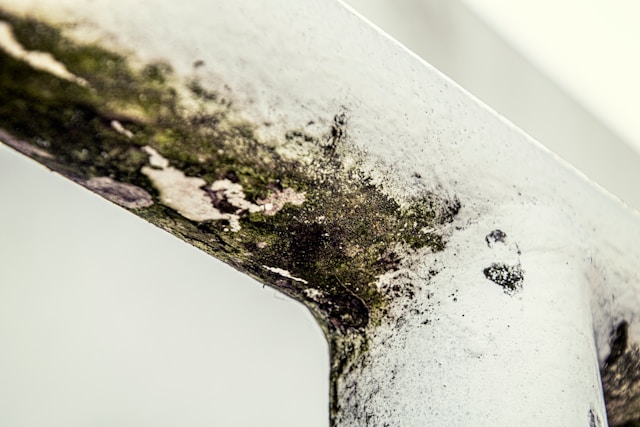 In this article, we will explore the various dangers associated with mold, including the health risks and structural damage it causes. We will also discuss how Long Island Mold Removal protects families and properties from these dangers by offering expert mold removal, prevention, and remediation services. The Health Risks of MoldMold thrives in damp environments and can grow in areas like basements, bathrooms, kitchens, or anywhere that has been exposed to water damage. Once it begins to grow, mold can release spores into the air, which can cause a wide range of health problems for individuals who are exposed to them. The health risks associated with mold exposure are especially concerning for certain groups of people, including children, the elderly, and those with preexisting respiratory conditions like asthma. Here are some of the most common health problems that mold can cause: 1. Respiratory Issues: Mold spores can easily become airborne and be inhaled, leading to respiratory issues. Common symptoms include coughing, wheezing, nasal congestion, and throat irritation. In more severe cases, mold exposure can lead to bronchitis, pneumonia, or even asthma attacks. Individuals with compromised immune systems or pre-existing lung conditions are particularly vulnerable to these effects. 2. Allergic Reactions: Mold is known to trigger allergic reactions in many individuals. Symptoms such as sneezing, itchy eyes, runny nose, and skin rashes are common when someone comes into contact with mold spores. For those with mold allergies, the exposure can cause more severe reactions, including asthma flare-ups and difficulty breathing. 3. Neurological Effects: Recent studies have shown that long-term exposure to mold, particularly toxic black mold, can lead to neurological symptoms. These can include headaches, dizziness, fatigue, memory problems, and difficulty concentrating. Mold toxins, known as mycotoxins, may contribute to these effects, especially in individuals who are repeatedly exposed to mold in their homes or workplaces. 4. Skin Irritations: Mold spores can also irritate the skin, causing rashes or hives. In some cases, mold exposure can result in more severe dermatological reactions. Individuals with sensitive skin or compromised immune systems may be more prone to these irritations. 5. Infections: Mold can cause infections in individuals with weakened immune systems. People undergoing chemotherapy, organ transplant patients, or those with HIV/AIDS are particularly at risk. Mold infections, such as Aspergillosis, can be serious and require medical treatment. Property Damage Caused by MoldIn addition to health risks, mold can also cause significant damage to property. Mold feeds on organic materials, which are commonly found in building materials like wood, drywall, and insulation. Once mold begins to grow, it can rapidly spread, weakening the structure of your home or business. The longer mold is left untreated, the more severe the damage will be. Here are some of the ways that mold can damage property: 1. Structural Damage: Mold can compromise the integrity of walls, ceilings, floors, and other structural components. For example, wood framing and drywall can become soft and weakened due to mold growth, making the building more susceptible to collapse. In severe cases, entire sections of the home or building may need to be replaced. 2. Water Damage: Mold and water damage often go hand in hand. If there is an ongoing moisture issue, such as a leaking pipe or roof, mold will likely continue to grow and cause further damage. The presence of mold can also lead to more serious water damage, especially if it spreads behind walls or under floors. This can create costly repairs and renovations. 3. Aesthetic Damage: Mold can leave unsightly stains and discoloration on walls, ceilings, and floors. The presence of mold can detract from the appearance of your home or business, and cleaning these stains may not always be effective. In many cases, mold-damaged materials need to be replaced entirely. 4. Odor: Mold produces a musty, unpleasant odor that can permeate your entire home or business. This odor can be difficult to eliminate without professional mold removal. The smell is not only off-putting but can also be a sign of ongoing mold growth and the need for immediate remediation. How Long Island Mold Removal Protects Your Family and PropertyWhen dealing with mold, it’s essential to act quickly. Professional mold removal companies like Long Island Mold Removal provide a range of services designed to identify, eliminate, and prevent mold from returning. With years of experience and a thorough understanding of mold remediation, the team at Long Island Mold Removal is committed to protecting your family and property. Here’s how Long Island Mold Removal helps homeowners and businesses with mold issues: 1. Mold Inspection and Testing: The first step in mold removal is identifying the extent of the problem. Long Island Mold Removal offers comprehensive mold inspections and testing services to determine the type of mold present and the level of contamination. The experts at Long Island Mold Removal use specialized equipment to locate mold in hidden areas such as behind walls, under floors, and in air ducts. Mold testing also helps identify whether toxic molds, such as black mold, are present. 2. Safe and Effective Mold Removal: Once mold has been identified, the team at Long Island Mold Removal uses advanced techniques and equipment to safely remove the mold from your property. Their experts follow strict guidelines and safety protocols to ensure the mold is entirely eradicated and that your family or employees are not exposed to harmful spores during the removal process. 3. Mold Remediation and Prevention: In addition to mold removal, Long Island Mold Removal provides mold remediation services to address the root cause of the mold issue. This may involve repairing water leaks, improving ventilation, or installing vapor barriers to prevent moisture buildup. By addressing the underlying issues, they help ensure that mold does not return in the future. 4. Air Duct Cleaning: Air ducts are often overlooked as a potential source of mold growth. Mold spores can travel through your home or business via the HVAC system, affecting indoor air quality. Long Island Mold Removal offers professional air duct cleaning services to remove mold and improve air quality, reducing the health risks associated with airborne mold spores. 5. Safe Disposal of Mold-Contaminated Materials: Moldy materials, such as drywall, carpet, and insulation, may need to be removed and disposed of. Long Island Mold Removal ensures that all contaminated materials are disposed of safely and in compliance with local regulations. This prevents mold from spreading to other parts of the property and reduces the chances of further contamination. Table: Common Types of Mold Found in Homes and Their Associated Risks
ConclusionMold is not just an aesthetic issue—it can have serious health and structural consequences. Whether in a residential or commercial property, mold growth needs to be addressed immediately to prevent long-term damage to health and property. Long Island Mold Removal offers comprehensive services to eliminate mold, address moisture issues, and prevent mold from returning, ensuring the safety and well-being of your family or employees. With their years of experience and expertise, you can trust them to handle mold issues promptly and effectively, keeping your home or business safe from the dangers of mold. |
|